




 Comment
The story of Shopify pioneers in Europe and BYDAS’s journey since 2011, from the early Shopify Experts era to Shopify Plus and Advanced operations.
Published on23 September 20261Views0 Reviews1 Comment




The history of Shopify in Europe did not begin when the platform became an obvious choice for thousands of brands. It started much earlier, at a time when Shopify was still an emerging technology and when only a few agencies believed that the future of e-commerce would be built around a global, constantly evolving SaaS platform.
Before large partner communities, certifications, Shopify Plus Agencies and mature ecosystems existed, there was a first generation of specialists that helped build the foundations. These were companies that believed in a new way of creating online stores, based on a cloud platform, continuous evolution and a global community.
BYDAS is part of this history.
Since 2011, we have followed Shopify’s evolution from the Shopify Experts era, through the launch of Shopify Plus, the consolidation of the Shopify Partners programme and the transformation of the platform into one of the world’s leading e-commerce solutions.
Throughout this journey, we have developed, supported or managed more than 250 Shopify operations, working with national and international brands across different sectors, from fashion and accessories to food, publishing, specialised retail and B2B operations.
When Shopify was still an innovation bet
When Shopify was founded in 2006, the e-commerce market was dominated by traditional platforms, many of them based on complex installations, custom development and high maintenance costs.
In Europe, solutions such as Magento and PrestaShop had a very strong presence and were often the natural choice for companies looking to create an online store.
Shopify’s proposal was different: to provide a SaaS platform (software as a service) where technology continuously evolved, allowing companies to focus on their business instead of depending exclusively on long development cycles.
The launch of the Shopify API in 2009 was an important milestone in this evolution, allowing developers, designers and technology companies to start creating integrations, applications and complementary solutions for the platform.
In 2011, proposing a SaaS platform for e-commerce meant challenging a market mindset where many companies still associated quality with tailor-made solutions.
For BYDAS, this was precisely the reason for choosing Shopify: innovation.

The first generation of Shopify Experts in Europe
During the early years of Shopify’s international expansion, the official specialist community was known as Shopify Experts. This network played a fundamental role in the adoption of the platform outside North America, helping companies create stores, develop custom features and adapt the technology to the needs of different markets.
Shopify did not publish a complete official timeline of its first European specialists. The following table is based on the historical data available, public references from the agencies themselves and information currently accessible within the Shopify ecosystem.
| Year | Agency | Country | Context | |
|---|---|---|---|---|
| 1 | 2010 | Eastside Co | United Kingdom | One of the first European agencies dedicated to the Shopify ecosystem. |
| 2 | 2010 | We Make Websites | United Kingdom | A Shopify specialist from the early years, later becoming a Shopify Plus reference agency. |
| 3 | 2010 | Swanky | United Kingdom | One of the first European agencies to focus on Shopify specialisation. |
| 4 | 2011 | Underwaterpistol | United Kingdom | A digital agency with an early presence in Shopify commerce. |
| 5 | 2011 | BYDAS | Portugal | One of Europe’s first Shopify Experts and the first official partner in Portugal. |
| 6 | 2011 | Statement | United Kingdom | First generation of digital agencies connected to the Shopify ecosystem. |
| 7 | 2011 | Space 48 | United Kingdom | A historic e-commerce agency. |
| 8 | 2012 | Interactiv4 | Spain | One of the historic names in Spanish e-commerce. |
| 9 | 2012 | Línea Gráfica | Spain | Part of Shopify’s expansion into the Spanish market. |
2011: BYDAS enters the Shopify ecosystem
In 2011, BYDAS officially registered within the Shopify ecosystem, at a time when the platform was still building its international presence.
At that time, Portugal was not a priority market for global technology platforms. The adoption of new technologies often followed the lead of Anglo-Saxon markets, and many companies still preferred locally developed solutions or open source platforms.
BYDAS’s decision to join Shopify was driven precisely by the belief in a structural change: the future of e-commerce would increasingly rely on cloud platforms, with continuous updates, global ecosystems and less dependence on proprietary development.
The first Shopify project developed by BYDAS was Aletheia Editores, in 2011.
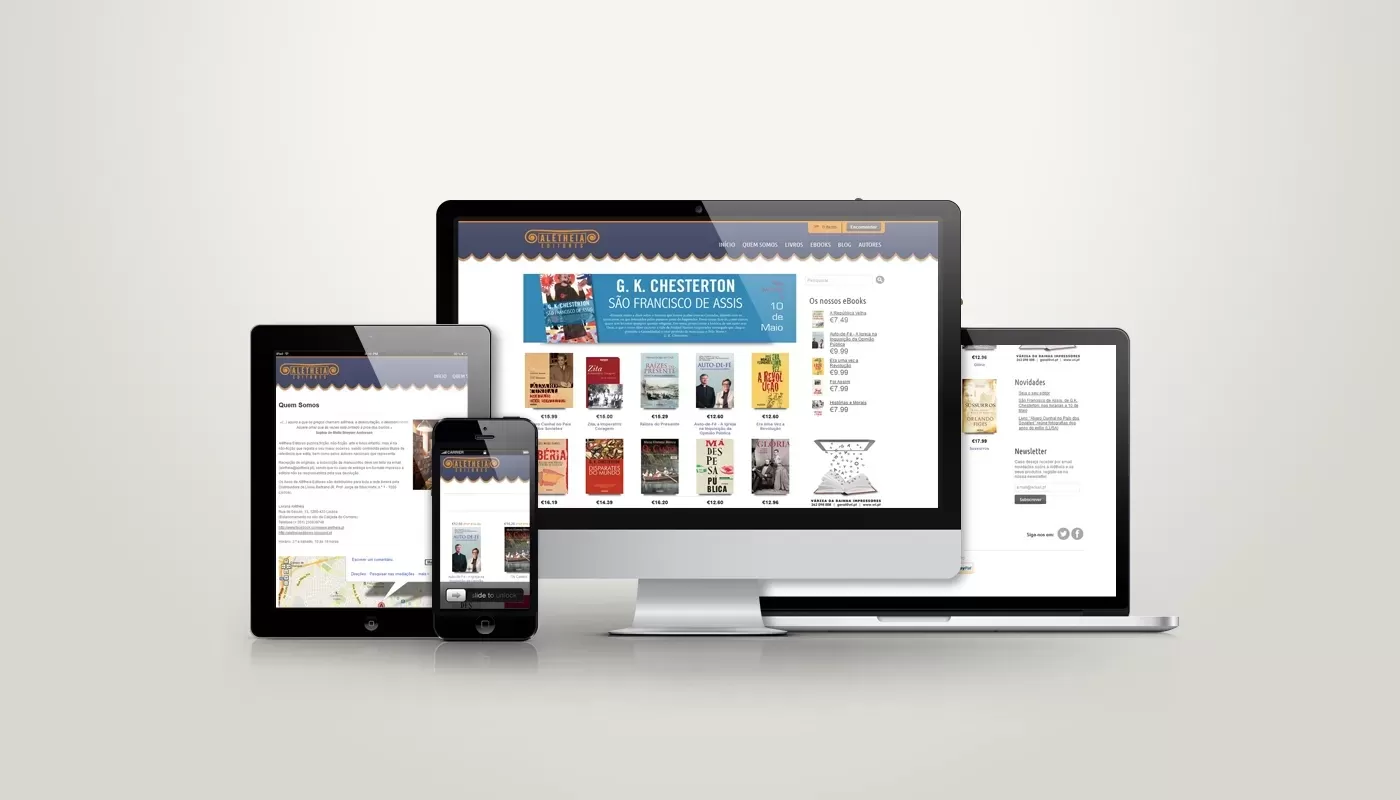
It was a B2C operation built from scratch on Shopify and, although the brand ceased operations in 2024, it represents an important milestone in the agency’s history: it was the first step in a journey that would eventually involve hundreds of digital operations.
The birth of Shopify Plus and the move into enterprise commerce
During its early years, Shopify was mainly associated with small and medium-sized businesses looking for a simple way to create an online store. However, as some brands grew within the platform itself, it became clear that there was room for a solution capable of supporting larger-scale operations.
In February 2014, Shopify officially announced the launch of Shopify Plus, an enterprise solution created for brands with higher business volumes, specific customisation needs and more demanding scalability requirements.
BYDAS followed this evolution from an early stage.

Miista London (2014)
In the same year Shopify Plus was launched, BYDAS developed the new digital operation for Miista London, an English fashion brand with an international presence.
The project represented an important milestone because it demonstrated a shift in Shopify’s positioning: it was no longer seen only as a solution for small merchants and was beginning to meet the needs of brands with high sales volumes and more complex operations.
The migration was carried out from WooCommerce, including the full development of the new digital experience, from technical implementation to the integrations required to support the brand’s operation.
At the time, the decision to adopt a Shopify Plus solution was mainly driven by scale, sales volume and the platform’s ability to evolve. Shopify Plus was still in an early stage, but it was already demonstrating the potential to compete with traditional enterprise solutions.

UB Online Store (2014)
Also in 2014, BYDAS launched UB Online Store, a Portuguese multi-brand urban fashion operation.
This project became a milestone in the Portuguese market, being the first Portuguese Shopify Plus store (based on the historical data currently available).
The operation included several fashion and accessories brands and required a significant number of integrations and custom developments.
UB Online Store remains on Shopify Plus today, representing an example of the longevity that a well-structured implementation can achieve within the Shopify ecosystem.

From Shopify Experts to Shopify Partners: the evolution of an ecosystem
Over the years, Shopify also evolved the way it worked with its professional community.
The first generation of specialists was known as Shopify Experts. These were agencies and professionals who helped merchants implement, customise and grow their stores.
As the platform grew, the ecosystem became broader, leading to the current Shopify Partners model, which includes different types of partners: agencies, developers, technology specialists and service companies.
Beyond the technology itself, one of Shopify’s differentiating characteristics was the way it built its relationship with partners.
From the beginning, the company understood that the growth of the platform would also depend on the companies helping merchants adopt it. The partnership model allowed agencies and developers to build sustainable businesses around Shopify through referrals, store development, app creation and complementary services.
This approach helped create a global community of specialists aligned with the growth of the platform.
Unlike more closed technology models, where partners simply act as external suppliers, Shopify created an ecosystem where the success of partners was directly connected to the success of merchants and the platform itself.

Shopify Plus: a new generation of digital projects
In 2016, Shopify formalised the Shopify Plus Partner Program, creating a specific network of partners prepared to support larger merchants and enterprise projects.
By that time, BYDAS had already accumulated practical experience with Shopify Plus projects from the early stages of the platform.
This experience allowed us to support brands with different needs:
- international operations;
- high sales volumes;
- integrations with external systems;
- multi-brand operations;
- B2B and B2C processes.
Over the years, BYDAS has participated in around 10 Shopify Plus operations, while continuing to work on projects in this area. However, the Portuguese market often finds the ideal balance between functionality, investment and scale in Shopify Standard and Advanced.
The Portuguese reality: why Shopify Advanced gained relevance
The evolution of the Portuguese market also brought a change in platform choices.
In the early years, many companies looked for highly customised solutions, often based on WooCommerce, Magento, PrestaShop or proprietary platforms. As SaaS platforms matured, organisations began to value other factors: implementation speed, stability, continuous updates and the ability to scale.
From 2020 onwards, Shopify Advanced became an especially relevant choice for many Portuguese companies experiencing growth and significant sales volumes.
Not because Shopify Plus stopped making sense, but because the reality of most Portuguese companies often makes Advanced the ideal balance point.
For higher-volume operations, the Advanced plan also enables a more efficient cost structure, reducing the impact of sales-related fees compared to lower-tier plans.
With the introduction of B2B features in the Advanced plan in 2025, Shopify enabled smaller markets, such as Portugal, to offer merchants a balanced solution in terms of performance and investment.
BYDAS continues to work with Shopify Plus whenever the size and complexity of a project justify this choice, while also supporting many growing businesses through Shopify Advanced.
More than 250 Shopify stores later
Over more than a decade, BYDAS has accompanied different stages of e-commerce evolution.
From small B2C stores to more complex international operations, the agency has developed, contributed to or managed more than 250 Shopify operations.
This experience includes approximately:
- 10 Shopify Plus operations;
- around 100 Shopify Advanced projects;
- dozens of Shopify projects for companies at different stages of growth.
The projects covered different sectors, with particular experience in:
- fashion and accessories;
- specialised retail;
- food and beverage;
- publishing;
- B2B.
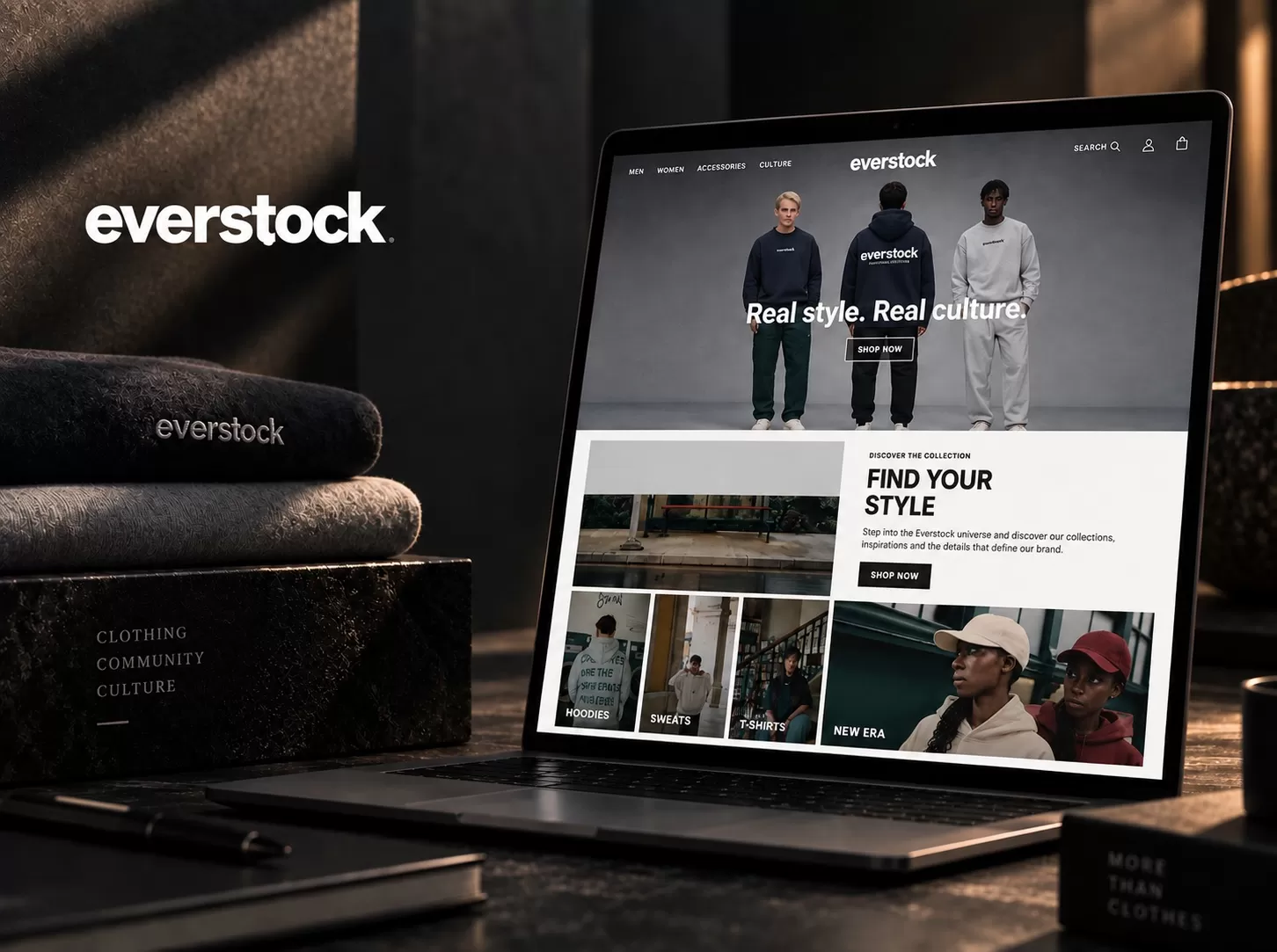
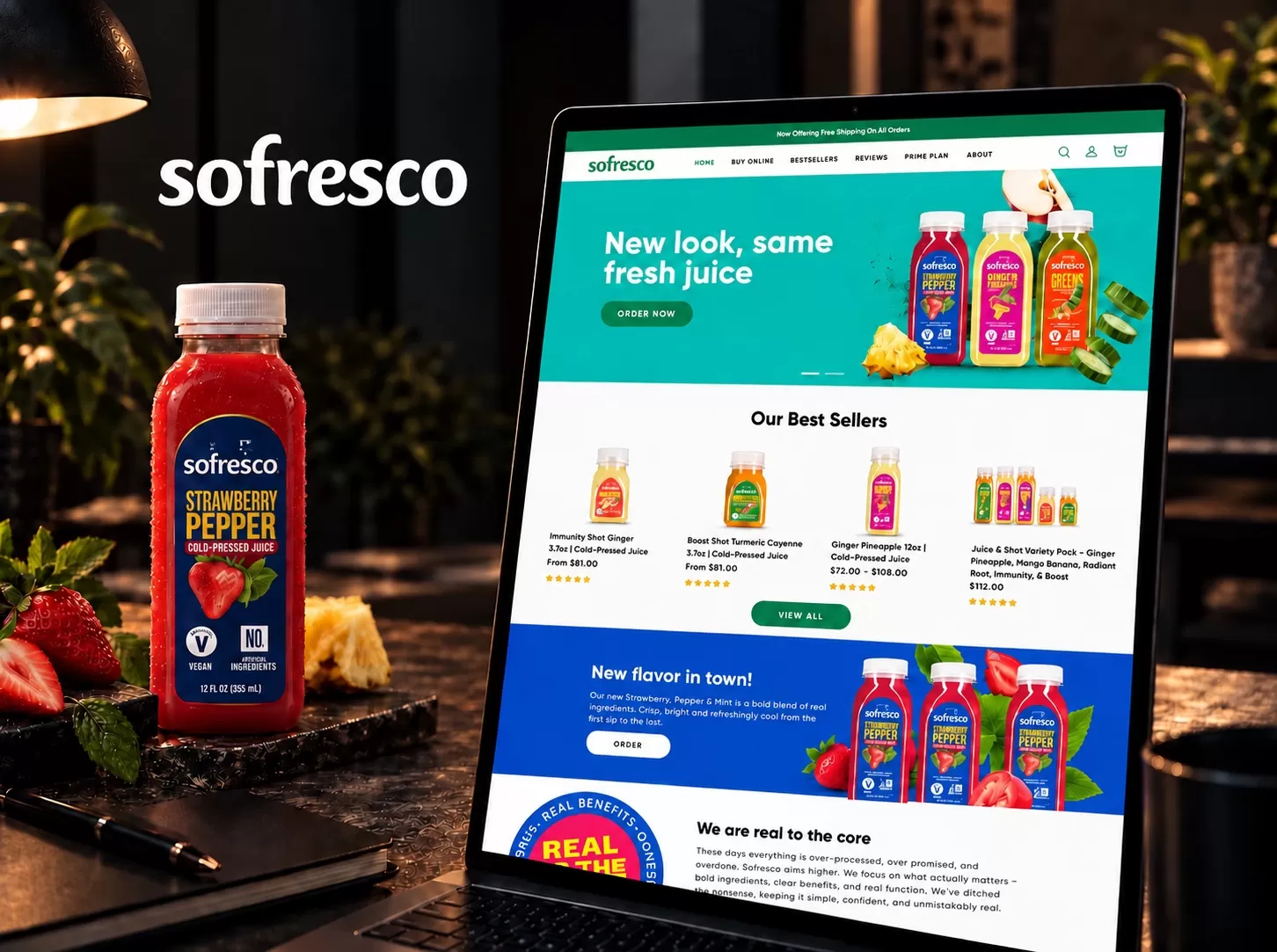
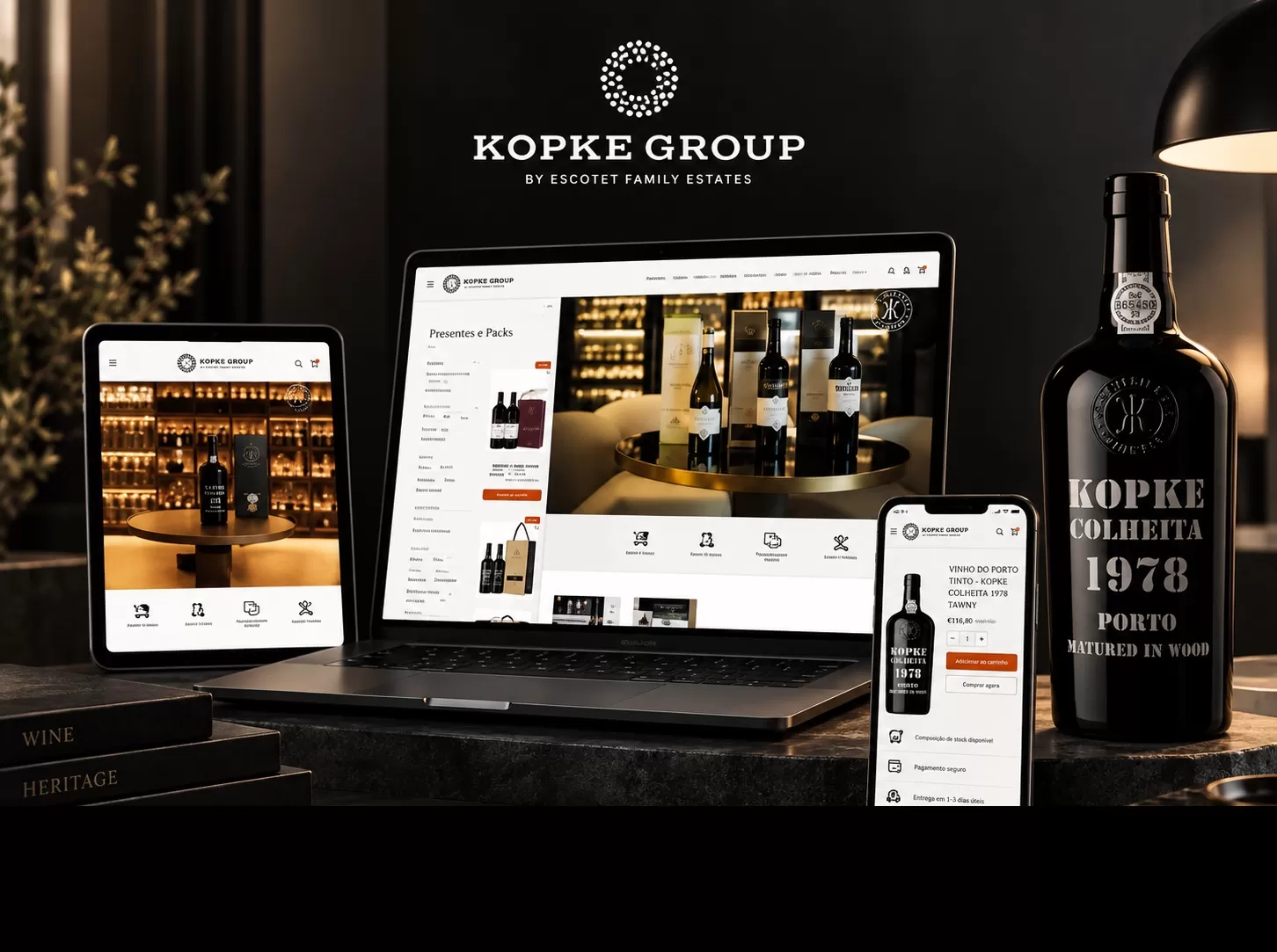
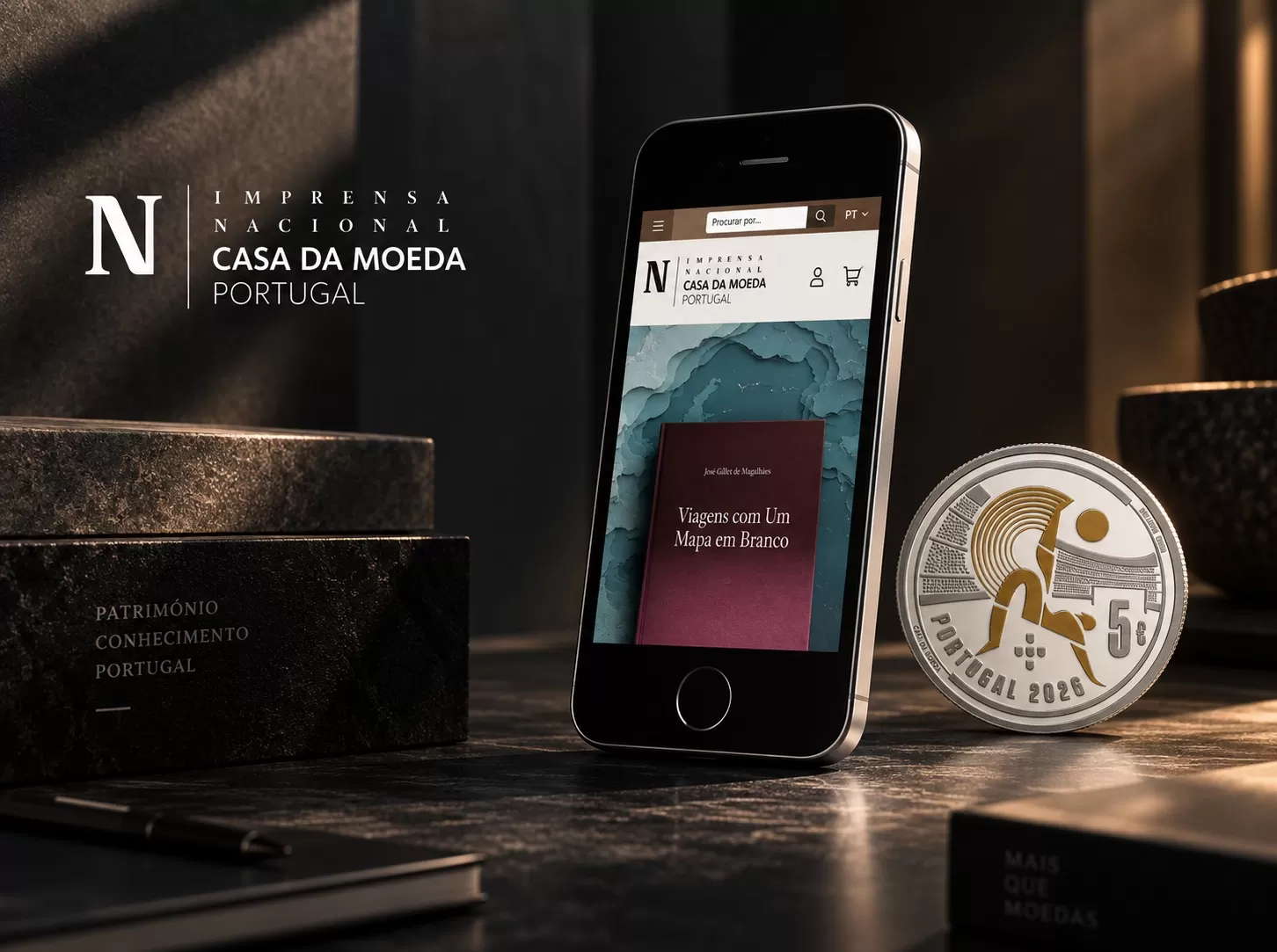
Throughout this journey, BYDAS has been involved in projects for brands such as CR7 Footwear, Imprensa Nacional Casa da Moeda, Cristina Ferreira, Steve Madden, Hush Puppies, Sumol+Compal, Von Dutch, Kickers, Supreme, Sonatural, Sofresco USA, BabyCool, Bioself Natura, Gianni Kavanagh and Kopke Group, among others.
The history of Shopify in Europe is also our history
The evolution of Shopify was not built by technology alone.
It was also built by the companies that believed in the platform when it was still a bet and helped create knowledge, methodologies and confidence among merchants.
The first European Shopify Experts were part of this transformation. They helped demonstrate that a platform created in North America could respond to the specific needs of European markets.
BYDAS is part of that first generation.
Since 2011, we have followed Shopify’s evolution from the first national projects, through the first Shopify Plus implementations in Portugal, to today’s international operations and digital commerce strategies.
More than simply following a technology, we have accompanied a paradigm shift: the move from e-commerce based on isolated platforms towards a global ecosystem where technology, partners and brands evolve together.
If you enjoyed this article, follow us on LinkedIn...
Add this news source to your preferences.



Rate this article






1 Comments
This article gives a detailed overview of Shopify’s journey in Europe, highlighting how agencies like BYDAS played a key role early on. I agree that the shift from custom-built solutions to SaaS platforms was a turning point, but I think the article could have addressed the challenges faced by merchants in adapting to Shopify’s ecosystem, especially in less tech-savvy markets.