



 Comment
BYDAS attended Portugal Digital Summit 2026 at the invitation of ACEPI. From productivity and adoption to costs, infrastructure and the ethical and societal challenges of artificial intelligence, these are the key conclusions we took away from the event.
Published on23 October 20262Views0 Reviews0 Comments

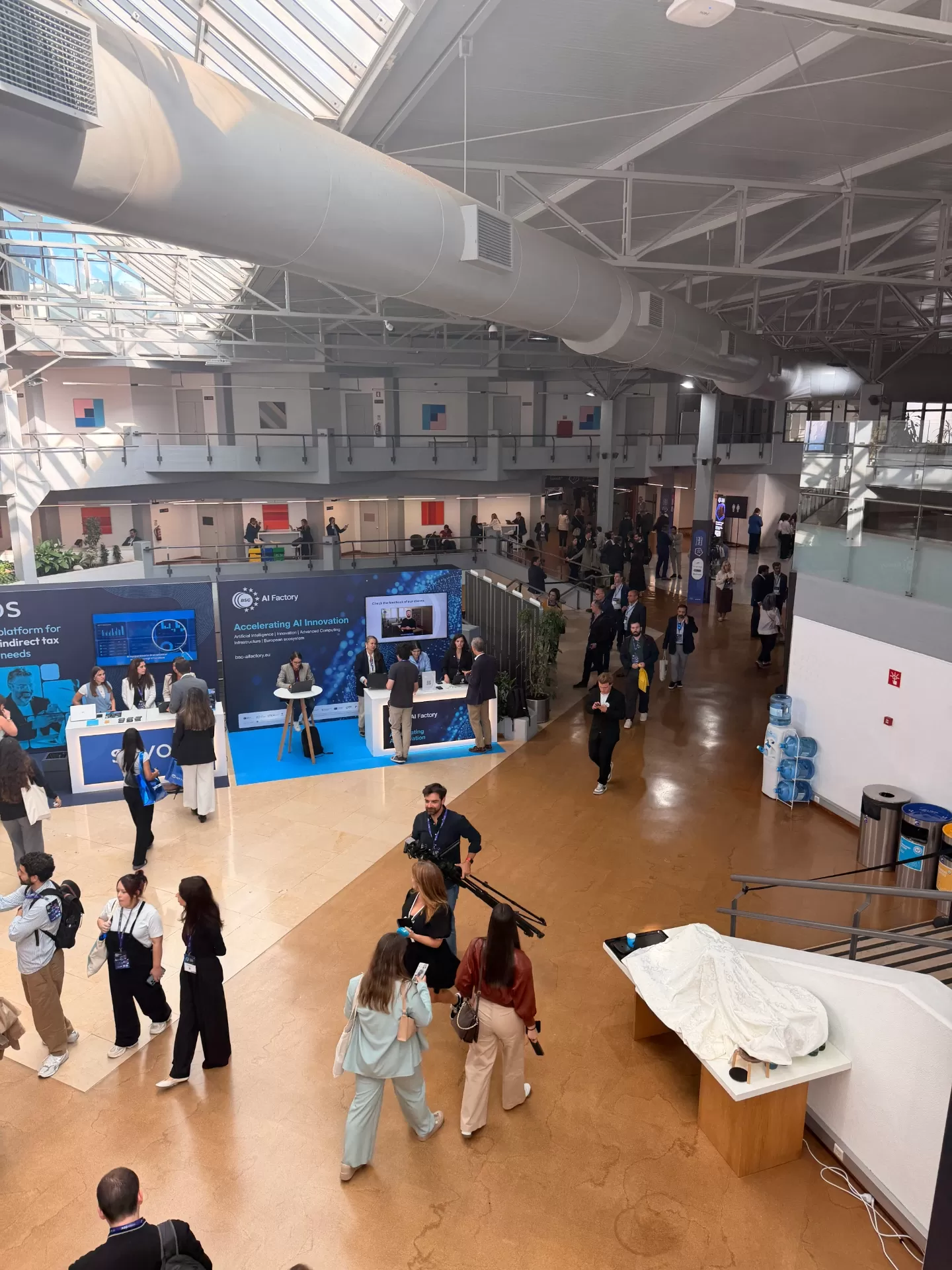
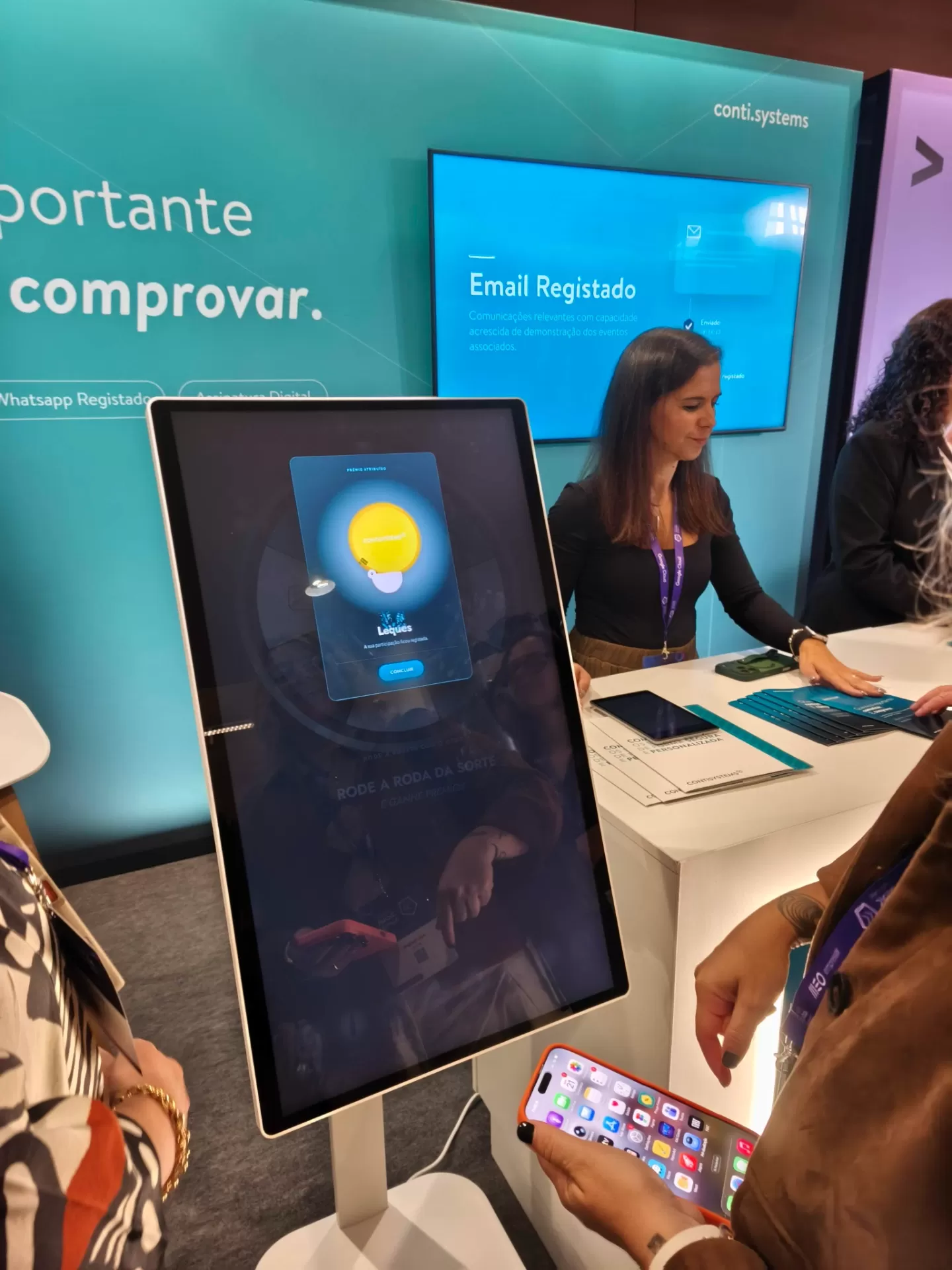
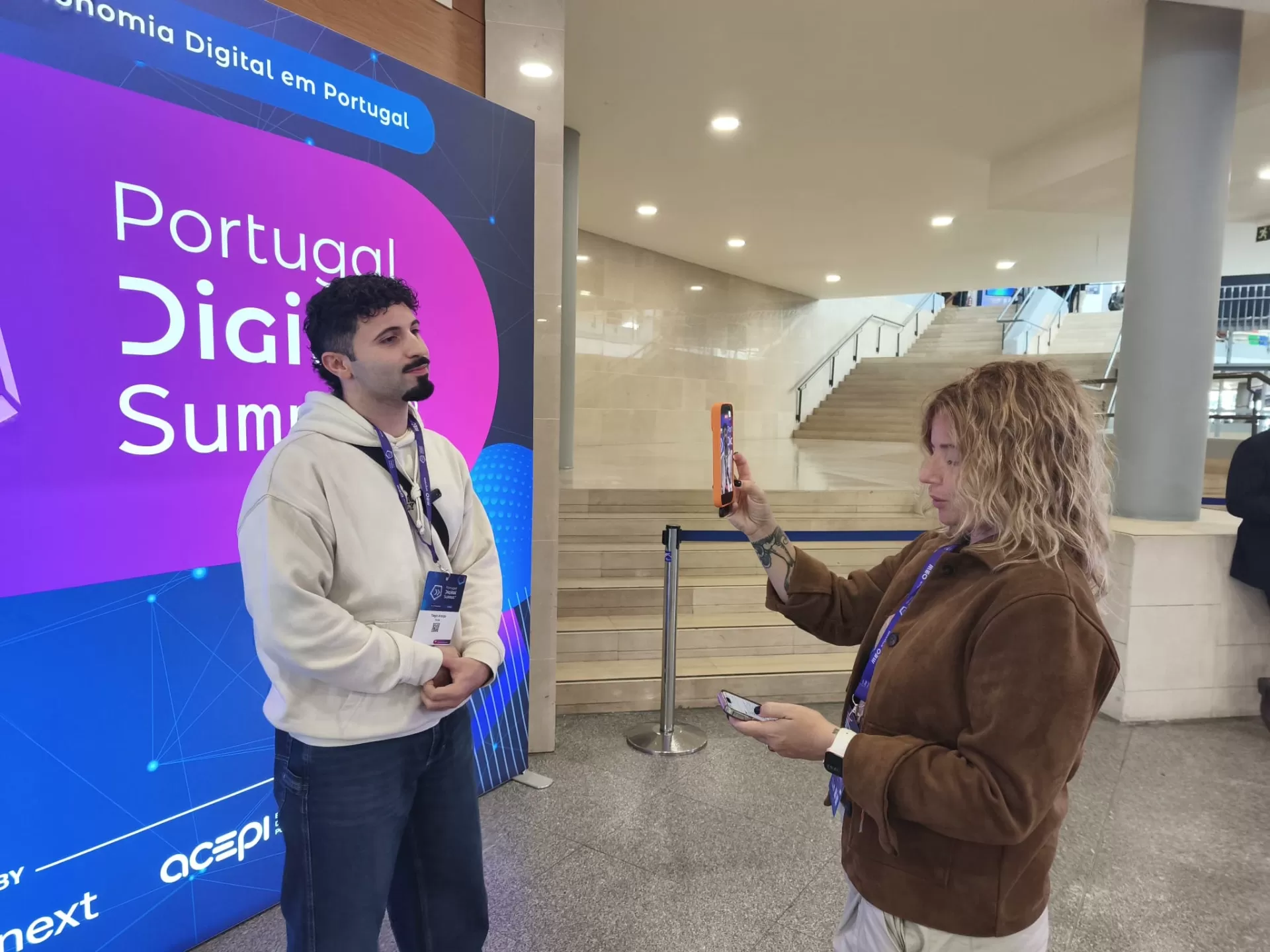
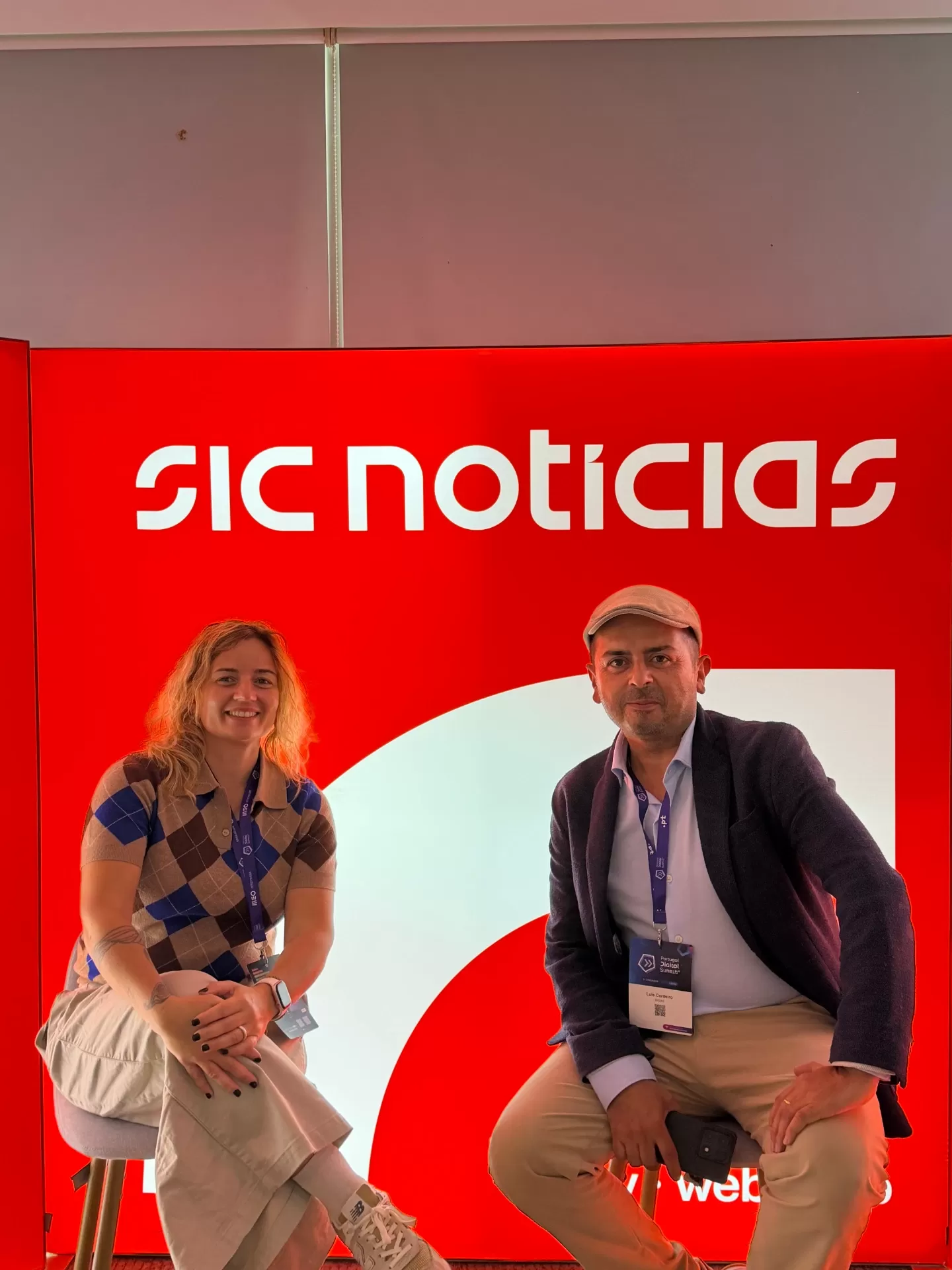

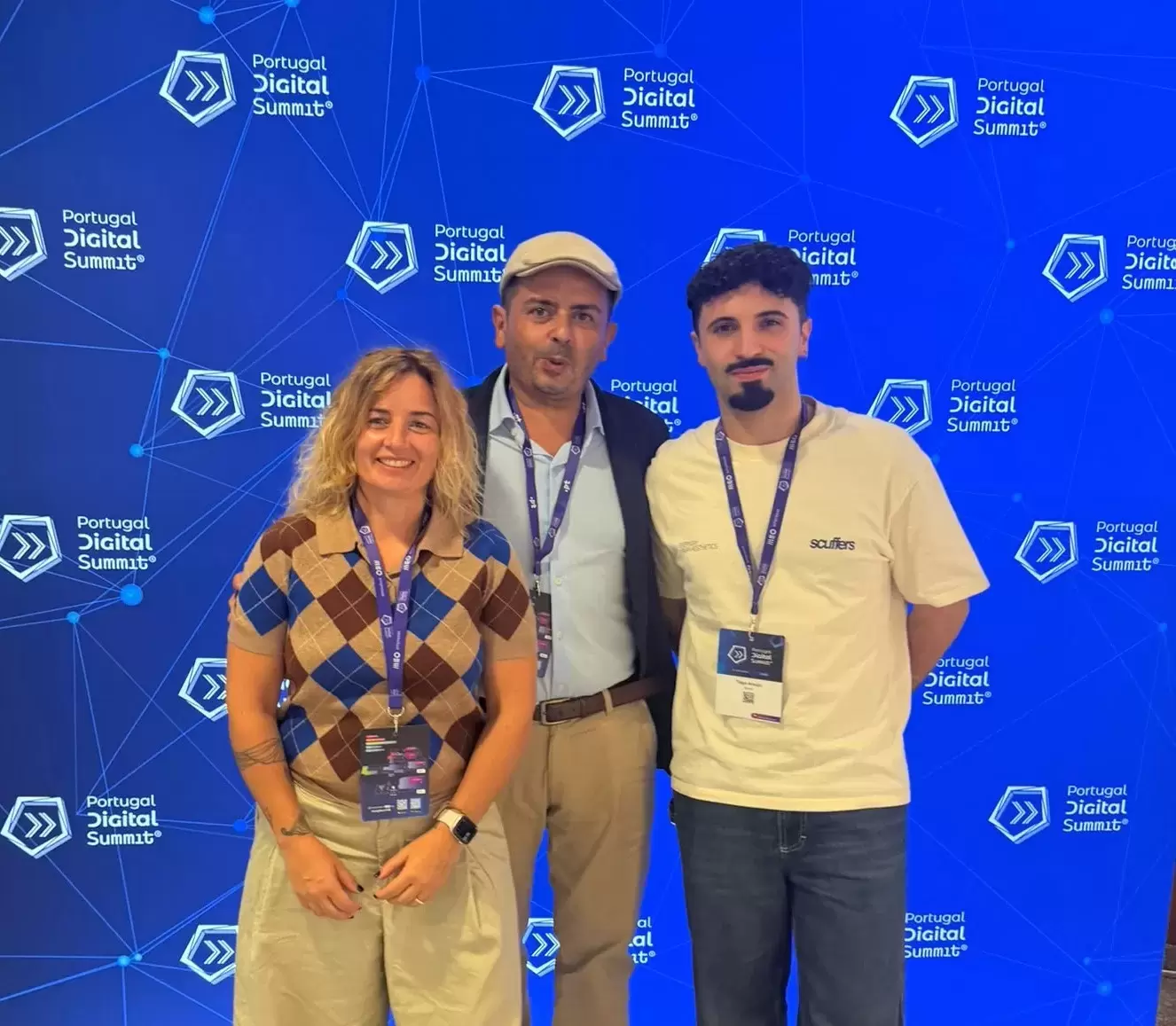
Artificial intelligence dominated almost every conversation at Portugal Digital Summit 2026. BYDAS attended the event at the invitation of ACEPI, represented by Luís Cordeiro, Managing Director, Inez Borges, Creative Director, and Tiago Araújo, Paid Media Manager, at an event that once again demonstrated the growing importance of the digital economy in Portugal.
With more than 5,000 attendees and what appeared to be a sold-out venue, Portugal Digital Summit had a distinctly executive profile this year, bringing together business decision-makers, public-sector leaders and several international speakers. Overall, the organisation of the event was exceptional.
It is also difficult to ignore the particular place the event now occupies in Portugal. Web Summit undoubtedly enjoys greater international recognition and operates on a completely different scale, but Portugal Digital Summit is arguably the most important Portuguese event dedicated to the digital economy. It is rooted in the country's own business and technology ecosystem and therefore provides a particularly relevant perspective on the state of digital transformation in Portugal.
Artificial intelligence took over the agenda
If there was one idea running through the entire event, it was this: talking about digital transformation today inevitably means talking about artificial intelligence. Productivity, efficiency, adoption, costs, ethics, employment and even societal and anthropological questions all eventually converged on the same technology.
When it comes to individual productivity, there already seems to be a broad consensus. People across different roles are using AI tools to search for information, produce content, analyse documents, write code, organise knowledge or simply perform everyday tasks faster.
The question becomes considerably more complex when we move from the productivity of an individual to the overall efficiency of an organisation.
Individual productivity does not automatically create business efficiency
One of the most relevant conclusions to emerge from the different sessions was precisely how difficult it remains to transform individual productivity gains into structural changes within companies.
Some of the figures presented during the event help illustrate the problem. AI adoption among Portuguese SMEs was said to be around 20%, while only approximately 30% of Portuguese companies have adopted cloud solutions. Regardless of the precise interpretation of these indicators, the underlying message is important: it is difficult to build an AI-driven economy when a significant proportion of businesses have not yet completed previous stages of digital transformation.
There is an apparent contradiction here. We are discussing AI agents, advanced automation and generative models as part of business processes while many organisations are still operating with infrastructure, productivity software and information systems that have not truly migrated to the cloud.
Portugal faces another challenge too. Catching up with the European average is not enough when Europe itself is trying to reduce the technological gap separating it from ecosystems such as the United States and China.
For many organisations, the journey therefore needs to begin with less enthusiasm for the latest technology and more emphasis on a genuine digital transformation strategy capable of connecting technology, processes, data and business objectives.
The real cost of AI remains a surprisingly vague conversation
One area that, from the BYDAS team's perspective, did not receive enough attention was cost. There was plenty of discussion around projects, experiments, adoption and training, but considerably less detail about what it actually costs to implement artificial intelligence at scale within an organisation.
Our impression was that many large companies are running numerous pilot projects and Proofs of Concept (PoCs), often using them both to explore possible applications and to train their teams. What was less clear was what happens when organisations move beyond experimentation towards critical systems that are used every day and can demonstrate a measurable return.
Even the concept of an AI agent, now almost unavoidable in technology discussions, was presented at a relatively superficial level during much of the event.
The question of cost also emerged indirectly when speakers discussed the tools made available to employees. In many organisations, access appears to remain restricted to plans, models or usage limits that can accelerate relatively simple tasks but would struggle to support more sophisticated projects or intensive use of AI.
There is a substantial difference between giving hundreds of employees access to a chatbot and redesigning business processes around intelligent systems. The first can generate productivity gains. The second is what could genuinely change a company's efficiency and competitiveness.
Where are Portugal's truly disruptive AI products?
This was perhaps the biggest question we took away from Portugal Digital Summit 2026.
The event showcased numerous examples of adoption, training, experimentation and productivity improvements. All of this is positive and necessary. Yet we found it difficult to identify a concrete example of a Portuguese AI-based product emerging from these investments and pilot projects that made us think: this is genuinely new and has the potential to compete internationally.
For a digital agency such as BYDAS, using AI to improve production processes is no longer particularly new. It is a journey we began several years ago. The challenge in 2026 should already be moving to another level: understanding how we can progress from using tools developed by others to creating intellectual property, products, services and differentiated business models of our own.
This is also where areas such as technology infrastructure, data, integrations, security and systems architecture stop being exclusively technical matters and become central elements of business strategy.
The public sector appears to be paying attention - and that is good news
By contrast, it was particularly interesting to see that the Portuguese public sector is paying close attention to the emergence of artificial intelligence. Relevant figures on adoption within public administration were presented, alongside significant developments concerning the expansion of the Amália project.
In a country where the state plays a substantial role in the economy and interacts with millions of citizens and businesses every day, the ability to use AI to simplify processes, reduce bureaucracy and improve public services could produce an economic impact far greater than that of isolated experiments.
Here too, however, future success will need to be measured through tangible results: less time, lower costs, better services and simpler experiences for citizens and businesses.
Infrastructure could become a genuine opportunity for Portugal
Infrastructure was probably the area that left us feeling most optimistic. Portugal has characteristics that could allow it to play a relevant role in the new digital economy, provided that the country can convert its geographical and infrastructural advantages into genuine technological capability.
The announcement during the event of new synergies between Microsoft and MEO aimed at helping Portuguese companies increase their adoption of artificial intelligence was particularly encouraging in this context.
If insufficient cloud adoption is currently a barrier, helping businesses modernise their infrastructure could unlock the next stage: more accessible data, interconnected systems, automation and, ultimately, the use of artificial intelligence at genuine enterprise scale.
When the conversation stops being purely technological
Some of the most interesting moments at Portugal Digital Summit came when the discussion moved beyond technology itself.
On the ethical front, familiar questions surrounding the development of AI returned to the stage: what is the value of human labour when the marginal cost of work performed by a machine continues to fall? Which professions will disappear? Which new ones will emerge? And how far should governments intervene?
One of the most provocative questions raised at the event pushed this debate further: should AI agents pay taxes?
It may initially sound like a strange proposition, but it contains a legitimate economic question. If an increasing proportion of productive work is eventually carried out by autonomous systems, how do we finance welfare states that have historically depended heavily on taxes associated with human employment and income?
It was within this context that universal basic income also returned to the discussion. Interestingly, the concept was mentioned by voices coming from within the capitalist system itself, including a former candidate for Governor of California.
And then the robots arrive
The discussion becomes even more profound when robotics is added to artificial intelligence.
We frequently hear predictions that programmers, journalists, designers, administrative professionals and other knowledge workers may be partially replaced by AI, while manual occupations will remain comparatively protected.
That conclusion may prove temporary.
If robotic systems become capable of observing, learning and reproducing human movements with increasing precision, some of the activities most exposed to automation could ultimately be highly repetitive manual tasks. A sufficiently predictable physical process can, in theory, be reproduced industrially, without fatigue and 24 hours a day.
This does not mean that all manual professions will disappear. On the contrary, occupations requiring improvisation, human interaction, judgement, contextual understanding and critical thinking are likely to remain considerably harder to automate. The real dividing line may therefore not be between intellectual and manual work, but between replicable tasks and tasks requiring human judgement.
The banking sector left more questions than answers
Not every intervention convinced us to the same extent. The contribution from the banking sector, in particular, left us with some reservations.
Caixa Geral de Depósitos presented dozens of initiatives, investments in employee training and an internal taxonomy designed to connect large amounts of information. The ambition appeared significant, but in our view the explanation remained too abstract to make the tangible results of these initiatives clear.
This gap between internal innovation and the actual customer experience raises an important question for any large organisation. To a customer, sophisticated concepts involving artificial intelligence mean relatively little if basic digital interactions continue to create friction.
When users encounter difficulties with processes as fundamental as logging into an application, it is inevitable to ask how millions invested in innovation, pilot programmes and training ultimately translate into the everyday customer experience.
This does not mean those investments are worthless. It means that digital transformation only becomes real when its benefits reach the user. This is precisely why technology strategy and user experience cannot be treated as separate worlds.
Portugal Digital Summit 2026: plenty of enthusiasm and one essential question
Our overall assessment of Portugal Digital Summit 2026 is clearly positive. Through its scale, quality of organisation, profile of attendees and relevance of its discussions, the event confirmed the important position it has earned within Portugal's digital economy.
We also left more optimistic about infrastructure, the attention the public sector is giving to artificial intelligence and the growing awareness among companies of the scale of the transformation now under way.
But we also left with a question that may be even more important: when do we stop talking about adoption and start talking about transformation?
Using artificial intelligence to write faster, improve research, summarise documents or accelerate a task is useful. Training thousands of employees is necessary. Developing PoCs creates opportunities to learn. But none of these things, on their own, guarantees a more efficient organisation, a better product or a more competitive economy.
The next leap will have to happen when AI stops being merely another tool added to existing processes and starts changing the way those processes are designed in the first place. More importantly, it will happen when that transformation begins producing products, services and companies created in Portugal that are capable of competing on a global scale.
After a Portugal Digital Summit almost entirely dominated by artificial intelligence, that seems to us to be the question worth carrying into 2027.
If you enjoyed this article, follow us on LinkedIn...
Add this news source to your preferences.



Rate this article






0 Comments