



 Comment
Explore the tools, plan requirements and migration considerations for a secure, effective Shopify checkout in 2026.
Published on11 November 20263Views0 Reviews0 Comments

Shopify Checkout Extensibility has changed how online retailers customise the final stage of a purchase. Instead of directly modifying checkout files, merchants use supported extensions, apps and APIs. This creates a more maintainable foundation for brand consistency, security, performance and conversion optimisation.
What can you actually customise? Do you need Shopify Plus? And how should you replace legacy checkout integrations? This guide explains the technology, plan requirements and practical steps to take before making changes.
What is Shopify Checkout Extensibility?
Checkout Extensibility is Shopify's framework for customising checkout through Checkout UI extensions, Shopify Functions, branding tools and web pixels. It replaces fragile approaches based on directly injecting code into checkout pages with platform-supported integration points.
The main principles are app-based customisation, greater resilience during platform upgrades, a controlled and performant interface, and compatibility with supported purchasing experiences such as Shop Pay. It does not, however, provide unrestricted access to every checkout element.
Why does Checkout Extensibility matter?
A more consistent purchasing experience
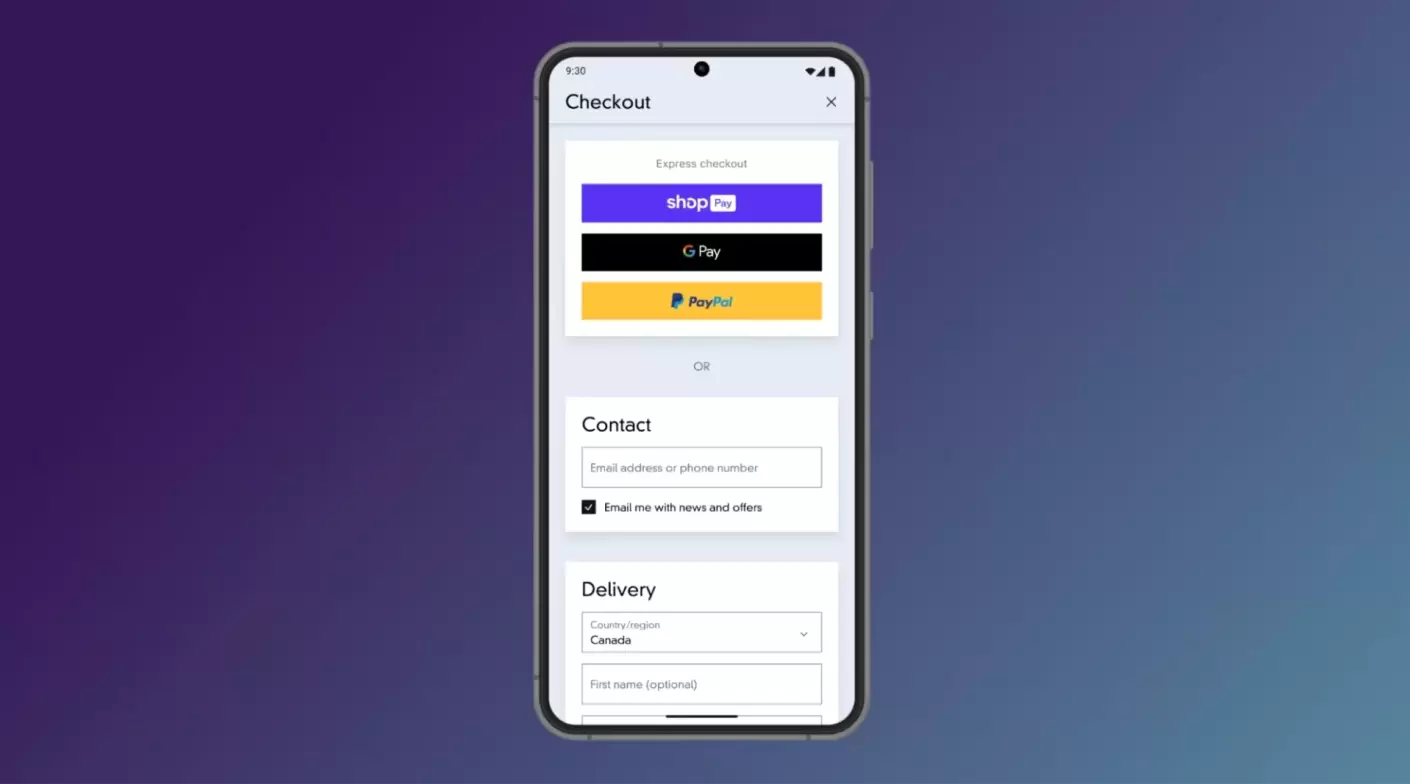
The checkout editor can help align logos, colours and typography with your brand. Where supported, extensions can add delivery guidance, additional customer fields, contextual messages, loyalty content and relevant product recommendations.
More maintainable customisations
Extensions rely on defined APIs rather than arbitrary changes to checkout markup. This can reduce the risk of platform upgrades breaking critical functionality. Apps still require monitoring, maintenance and testing when their APIs change.
A stronger foundation for conversion optimisation
Relevant information, suitable delivery choices and reduced friction can help shoppers complete purchases. Nevertheless, Checkout Extensibility does not automatically increase conversion rates. Improvements should be validated through testing, analytics and customer behaviour data.
Is Shopify Plus required?
Not for every feature. Stores on Basic and higher plans can use the checkout editor, eligible Thank you and Order status extensions, web pixels and public apps incorporating Shopify Functions, subject to individual feature restrictions.
Shopify Plus is required for Checkout UI extensions on the information, shipping and payment steps, access to the Checkout Branding API, and custom apps deploying Shopify Functions for a particular store. Specific Function APIs may impose further requirements. Confirm your plan's eligibility before commissioning development.
The essential Checkout Extensibility technologies
1. Checkout Editor and Checkout Branding API
The editor provides visual control over supported branding settings, separately from the storefront theme. The Checkout Branding API, available to Plus merchants, enables more detailed programmatic control of supported styling properties. It does not allow unlimited manipulation of checkout layout, CSS or behaviour.
2. Checkout UI extensions
These extensions add interface components at Shopify-defined extension targets. Examples include delivery instructions, custom fields, informative banners and complementary offers. Placement, available data and permitted interactions depend on the extension target and merchant plan.
Eligible extensions on Thank you and Order status pages are also available to non-Plus merchants. Displaying UI extensions during the earlier information, shipping and payment steps requires Shopify Plus. Recent API versions use Polaris web components, so developers should check compatibility when maintaining older extensions.
3. Shopify Functions
Shopify Functions execute business logic within Shopify's infrastructure. Depending on the relevant APIs, they can support tailored discounts, payment or delivery option customisation and cart or checkout validations.
Non-Plus merchants can use Functions through compatible public apps. Custom apps containing Function APIs are generally limited to Shopify Plus stores. Functions are not browser scripts or analytics tools.
4. Web Pixels and Customer Events
The Customer Events area manages app pixels and custom pixels used to track customer interactions, including checkout events. It provides a more structured alternative to many legacy scripts used for analytics and advertising attribution.
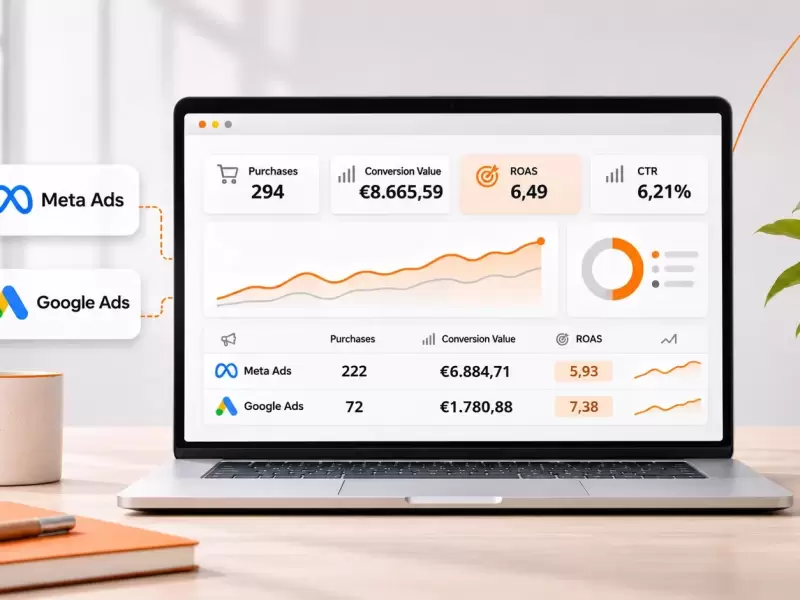
Implementation still requires careful attention to consent, privacy law, event deduplication and sandbox limitations. A custom pixel cannot necessarily perform everything an unrestricted script once could. An analytics audit can identify tracking gaps before they affect campaign reporting.
Migrating from checkout.liquid: what matters in 2026?
Legacy checkout.liquid customisations and additional scripts have been phased out in the areas covered by the upgrade. For Shopify Plus merchants, the deadline to upgrade Thank you and Order status pages was 28 August 2025, with automatic upgrades beginning in January 2026. For non-Plus merchants, the deadline for those pages was 26 August 2026.
As a result, the priority in November 2026 is not to plan a future transition but to verify that critical features still work. An automatic upgrade does not guarantee that incompatible scripts or apps have been preserved.
1. Audit: list legacy scripts, apps, pixels, fields, discounts and operational integrations.
2. Prioritise: identify business-critical features and remove unnecessary customisations.
3. Select: choose between native settings, public apps and bespoke extensions.
4. Implement: rebuild supported features using current APIs and appropriate permissions.
5. Test: cover mobile devices, Shop Pay, payment methods, shipping, translations and post-purchase pages.
6. Monitor: verify order processing, errors, event accuracy and conversion after release.
Practical examples for ecommerce and B2B
An international retailer may need translated delivery guidance, market-specific messaging and suitable invoice information. A B2B business may require account-specific discounts, ordering rules and validation flows. These use cases need careful assessment because some capabilities depend on Shopify Plus, particular APIs or third-party apps.
For more complex operations, checkout decisions also affect ERP integrations, fulfilment, payment providers and reporting. The right approach is to map the purchasing process first, then select the technology that supports it reliably.
Common mistakes to avoid
- Assuming all Checkout Extensibility features require Shopify Plus.
- Assuming every checkout element can be freely modified.
- Reusing old scripts without checking new sandbox restrictions.
- Adding too many blocks and distracting customers at the payment stage.
- Failing to test accelerated checkout and international markets.
- Counting purchases twice in GA4, Meta Ads or other analytics platforms.
- Treating an installed extension as proof of a conversion uplift.
Is checkout customisation worth the investment?
It is most valuable when it solves a measurable issue: confusing delivery information, complex commercial rules, missing integrations or inaccurate tracking. Costs depend on the Shopify subscription, app fees, development requirements and ongoing maintenance.
A well-planned Shopify and Shopify Plus development project connects UX, integrations and commercial objectives. BYDAS can assess your current setup, recommend suitable technologies and validate critical purchasing journeys. Explore our integration services to understand how checkout fits into the wider ecommerce architecture.
Frequently asked questions
Does Checkout Extensibility replace checkout.liquid?
Yes. Legacy customisations in the areas covered by Shopify's upgrades must be replaced with supported approaches, including extensions, apps, Functions and pixels.
Can I customise checkout without Shopify Plus?
Yes. Several branding, post-purchase, tracking and public-app capabilities are available. UI extensions for the information, shipping and payment steps require Plus.
Will Checkout Extensibility improve conversion automatically?
No. It enables better experiences, but conversion improvements must be tested and measured.
Where can I read the official documentation?
See the Shopify Help Centre and the developer guide to checkout technologies.
If you enjoyed this article, follow us on LinkedIn...
Add this news source to your preferences.



Rate this article






0 Comments