



 Comment
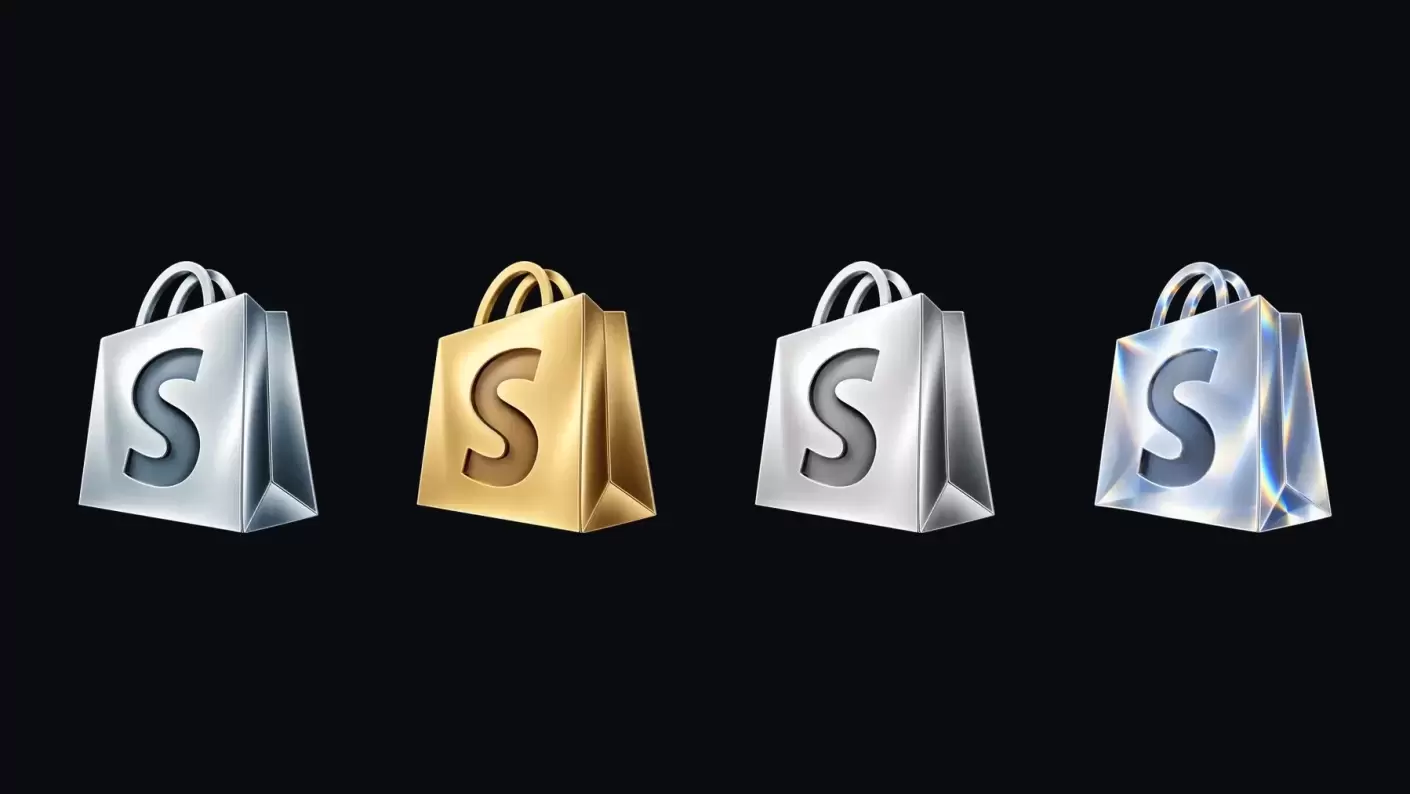
Silver, Gold, Platinum and Diamond will distinguish Shopify partners from January 2027. We explain the new requirements and what they mean when choosing an agency.
Published on5 November 202613Views0 Reviews1 Comment

Shopify has announced an update to its Partner Program, taking effect on 1 January 2027. The Select, Plus and Premier tiers will retire, and recognition for agencies and service partners will follow four tiers: Silver, Gold, Platinum and Diamond. Partners joining the programme will continue to start at Registered.
The changes aim to simplify requirements, recognise progress sooner and make partner distinctions easier for merchants to understand. For brands, the useful question is what each tier represents and how to use that information when choosing a team to develop, migrate or support an online shop.
Two requirements will determine a partner’s tier
The new model centres on two measures that partners must meet together: attributed gross merchandise volume, or GMV, and the number of attributed shops. A merchant’s Shopify plan will no longer differentiate how a shop counts towards these requirements.
Shopify’s announcement offers a straightforward explanation: shops that earn a partner revenue share contribute towards their tier. For an individual case, however, partners should consult the attribution rules and the figures shown in their organisation’s dashboard. An agency’s client portfolio and the shops recognised by the programme can differ in size.
The announced thresholds are as follows, with all financial amounts expressed in US dollars:
Registered: joining the programme, with no minimum GMV or shop count.
Silver: at least $25,000 in attributed GMV and one attributed shop over 365 days.
Gold: at least $5 million in attributed GMV and five attributed shops over four years.
Platinum: at least $50 million in attributed GMV and 20 attributed shops over four years.
Diamond: at least $500 million in attributed GMV and 25 attributed shops over four years.
These figures need careful interpretation. GMV represents the sales volume considered by the programme and does not represent agency turnover. It also does not, on its own, establish growth caused exclusively by the partner. A shop’s performance depends on its products, pricing, distribution, marketing investment and operational capabilities, among other factors.
The transition will involve a reassessment
Existing tiers will not simply receive equivalent new names. In January, each organisation will move into the tier it qualifies for under the updated requirements. Its position may therefore differ from the classification it holds today.
Current tiers and benefits remain in place until 1 January 2027. The announcement also provides for partners to preview their projected classification in the Dev Dashboard, under Organization settings and Partner program. This gives organisations visibility of their expected position and the targets needed to reach the next tier.
For brands comparing agencies during the transition, the date attached to a claim matters. A distinction displayed in November or December 2026 may reflect the existing model, while a tier presented in January 2027 should reflect the revised requirements. Checking when a profile was updated will help avoid misunderstandings.
Why is the Plus Partner name being retired?
Shopify explains that merchants often interpreted Plus Partner as a distinction directly linked to the Shopify Plus plan. The new names aim to make recognition easier to understand without suggesting a direct connection between a partner’s tier and a merchant’s subscription.
This separation is useful for businesses considering larger or more complex projects. A tier identifies an organisation’s position within the programme; experience with Shopify Plus projects should be assessed through relevant work, delivered integrations and the team’s ability to meet the business’s requirements.
Daily promotions and a six-month minimum lock
Another significant change is the move from quarterly promotions to automatic daily promotions. Once a partner meets the requirements for a higher tier, the change can appear in its dashboard without waiting for the next quarterly cycle.
After earning a tier, the partner will retain it for at least six months. If it qualifies for the next tier during that period, it can still move up. The approach combines faster recognition with a degree of stability in the use of tier distinctions and access to associated benefits.
Support that develops alongside the partner
Silver extends formal recognition to partners with smaller operations. From this tier, Shopify plans to offer Advisory support, including resources, guidance and best practices, alongside access to a directory listing and the relevant tier badge.
At Platinum, Strategic support adds closer collaboration on planning and business development. At Diamond, Embedded support is intended to work as an integrated extension of the partner’s business and technical teams. Co-marketing funds begin at Gold and increase at higher tiers, subject to the applicable conditions.
These benefits support the partner organisation. A merchant should ask how available resources will contribute to its own project, rather than assume that a tier automatically adds services to an agency agreement. Clear responsibilities and a defined scope remain essential to a productive relationship.
A refreshed directory for finding partners
The announcement schedules the refreshed Partner Directory for 9 November 2026. It will initially display current tiers, before updating to the new model in January. From that point, directory inclusion will extend to partners at Silver and above.
Shopify also intends to build profiles largely from partners’ work on the platform. The aim is to help merchants identify relevant experience through clearer information. A profile should still be followed by a discussion about objectives, budget, working methods and responsibility for delivery.
How should a brand choose its Shopify agency?
The revised system provides a more accessible reference for the scale of activity attributed to each partner. Choosing an agency also requires an assessment of fit: sector experience, the quality of previous projects, technical knowledge and the ability to provide support after launch.
A brand preparing for international expansion may need a team with experience across markets and languages. A business with complex internal systems should explore integration capabilities in detail. A merchant seeking better conversion should examine the agency’s approach to user experience, measurement and ongoing commercial development.
The discussion should connect those capabilities to specific deliverables. Who will manage the project? How will key decisions be approved? What happens after launch? Answers to these questions help turn a programme distinction into a practical assessment of the proposed partnership.
At BYDAS, we connect online shop development with strategy and the operational needs of each business. The updated programme makes recognition easier to interpret; the value of a partnership is demonstrated through the decisions made and the work delivered throughout the project.
Official details are available in the Shopify Partner Program documentation. For brands, the opportunity is to use this information as a starting point for a more informed assessment of the team they want alongside them as their business grows.
If you enjoyed this article, follow us on LinkedIn...
Add this news source to your preferences.



Rate this article




1 Comments
I agree with the article’s point that the new Shopify Partner tiers (Silver, Gold, Platinum, Diamond) are clearer for merchants, but I think the heavy focus on attributed GMV and shop count could disadvantage smaller, high-quality agencies. The article rightly highlights that GMV alone doesn’t reflect actual agency value or the complexity of their work. Brands should look beyond tiers and evaluate partners based on real project results and fit for their unique needs.